Mealtime with a baby is a beautiful kind of chaos. One minute you are proudly serving a homemade puree, and the next, your little one is using it as finger paint while their onesie absorbs the rest. Every parent quickly learns that a good bib is not a luxury; it is a necessity.
But standing in the store aisle, you face the big decision: do you grab the soft, familiar cloth bibs or the newer, colorful silicone options? It is a debate that plays out in kitchens everywhere. Let’s break down the pros and cons of each to help you decide what works best for your family, and we will explore why the choice of bibs silicon has become so popular with modern parents.
The great sponge vs. the wipe clean champion:
Cloth bibs are like little sponges. They soak up drool, spilled milk, and watery oatmeal. This is great for keeping your baby’s clothes dry, but the bib itself gets completely saturated. After a single meal, it is usually soaking wet and needs to go straight into the laundry.
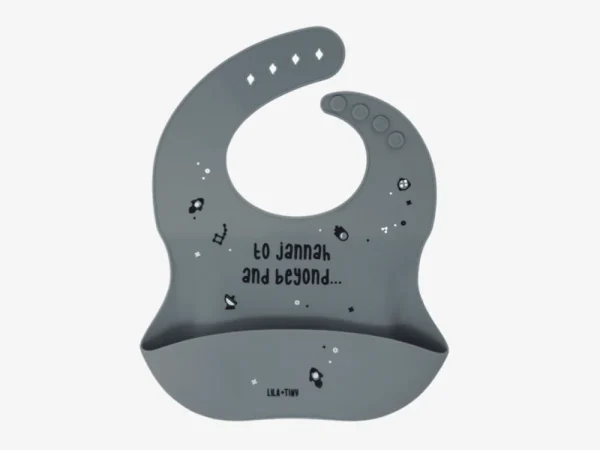
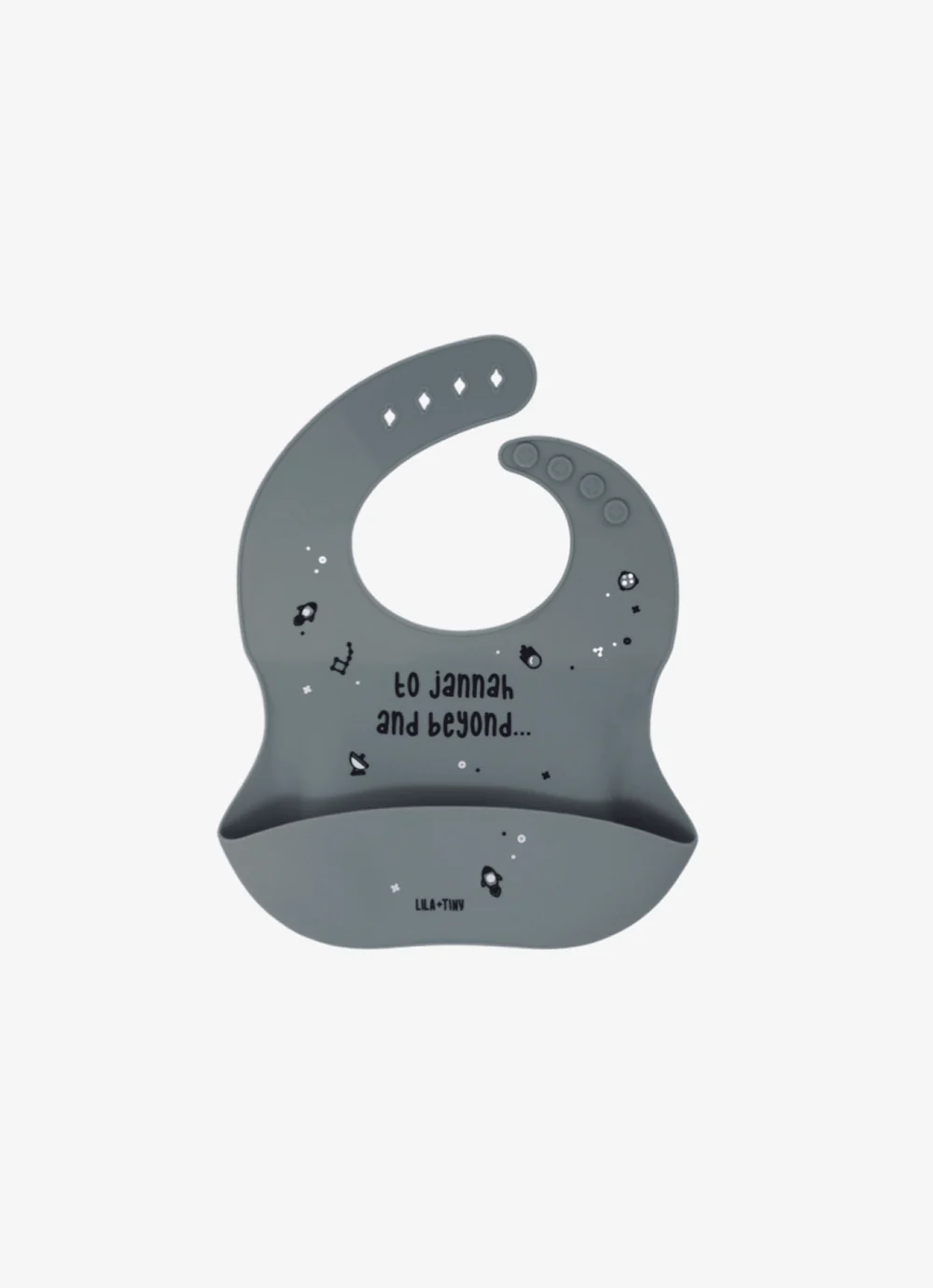
Silicone bibs work differently. They are waterproof and food grade. Food just sits on the surface. When the meal is over, you can simply rinse it under the faucet or wipe it clean with a soapy cloth. It dries in minutes and is ready for the next snack time. For busy parents, that convenience is a huge selling point.
The handy pocket factor:
One of the coolest features of a silicone bib is the built in pocket at the bottom. This little trough is a game changer. When a toddler drops a Cheerio or a chunk of banana, it lands in the pocket instead of on the floor. This saves parents from constantly bending down to pick up food and cuts down on messes under the high chair.
Cloth bibs rarely have this feature. Some might have a small vinyl pocket, but they are not common. Without that pocket, gravity wins, and everything ends up on the floor.
Comfort and weight:
For a newborn just starting on solids, a heavy silicone bib can feel a bit bulky. Cloth bibs are lightweight and soft against sensitive skin. They feel like a t shirt, which makes them perfect for the drooling phase or for bottle feeding.
As babies get older and become more active eaters, the durability of silicone becomes attractive. They are tough and hard for little hands to rip off.