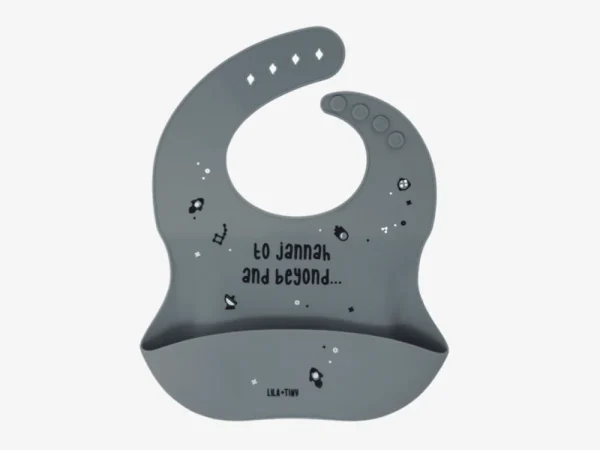
Showing a product effectively is as important as its function. Static photographs and physical prototypes present limitations. This is where 3D rendering creates an advantage. It builds digital models that customers can interact with and examine from every side.
For industries from real estate to retail, this technology changes presentation standards. Companies using 3D rendering in Dubai apply these techniques to engage international clients.
Creating Photorealistic Previews:
A primary benefit is the ability to generate images indistinguishable from reality before manufacturing starts. Designers construct a detailed digital model, applying accurate materials, textures, and lighting effects. This allows stakeholders to see the final product in various environments and finishes.
A furniture company can display a new sofa in dozens of fabrics. An architect can show a building fixture at different times of day. These previews support confident decision-making, reducing the need for costly physical samples.
Offering Interactive and Customizable Views:
3D rendering introduces dynamic interaction. Through configurators and 360-degree spins, users control their view. They can rotate an object, zoom in on details, or change colors and components in real time. This interactive experience holds attention longer than a static image.
A customer designing a custom bicycle online, for example, selects each part and sees the assembly update instantly. This process builds a personal connection and clarifies the product’s features.
Simplifying Complex Explanations:
For products with internal mechanisms or complex assembly, 3D rendering acts as a clear guide. It can produce exploded views that separate each component, or create animated sequences showing how parts move and fit together.
This visual communication aids training, marketing, and client presentations. A technical manufacturer can explain a sophisticated pump’s operation without requiring the physical unit on hand, making detailed information accessible.
Streamlining Marketing and Development:
The technology accelerates workflows. Marketing teams can start campaigns with high-quality visuals long before production finishes. Changes to the digital model happen quickly, avoiding photoshoot reshoots or prototype rebuilds. This flexibility speeds time-to-market and allows for rapid testing of consumer preferences based on visual variants.
3D rendering gives products a clear, adaptable, and compelling digital presence. It bridges the gap between concept and reality, providing a visual tool that informs and persuades. As businesses adopt these methods, they equip themselves to present their offerings with greater clarity and impact.